Yesterday, we had the pleasure of welcoming the new students of the MSc in Human-Computer Interaction (HCI) for the 2026–2027 academic year at the University of Patras.
The welcome event marked the beginning of a new academic journey for our students, who will have the opportunity to develop their knowledge and skills in Human-Computer Interaction while engaging with research, innovation and the broader HCI community.
We are delighted to welcome the newest members of the programme and look forward to the ideas, projects and research they will bring throughout the coming academic year.
We wish all our new students a creative, productive and inspiring year filled with learning, collaboration and new opportunities.
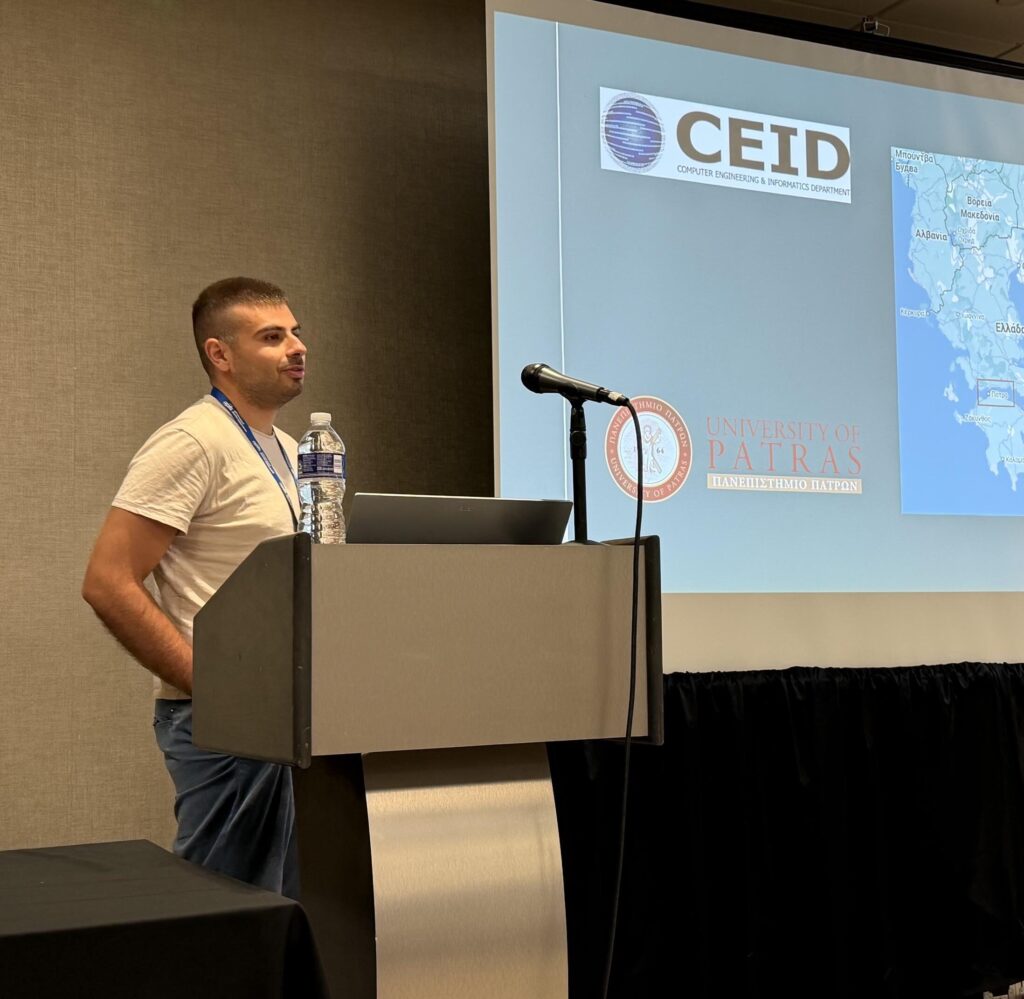
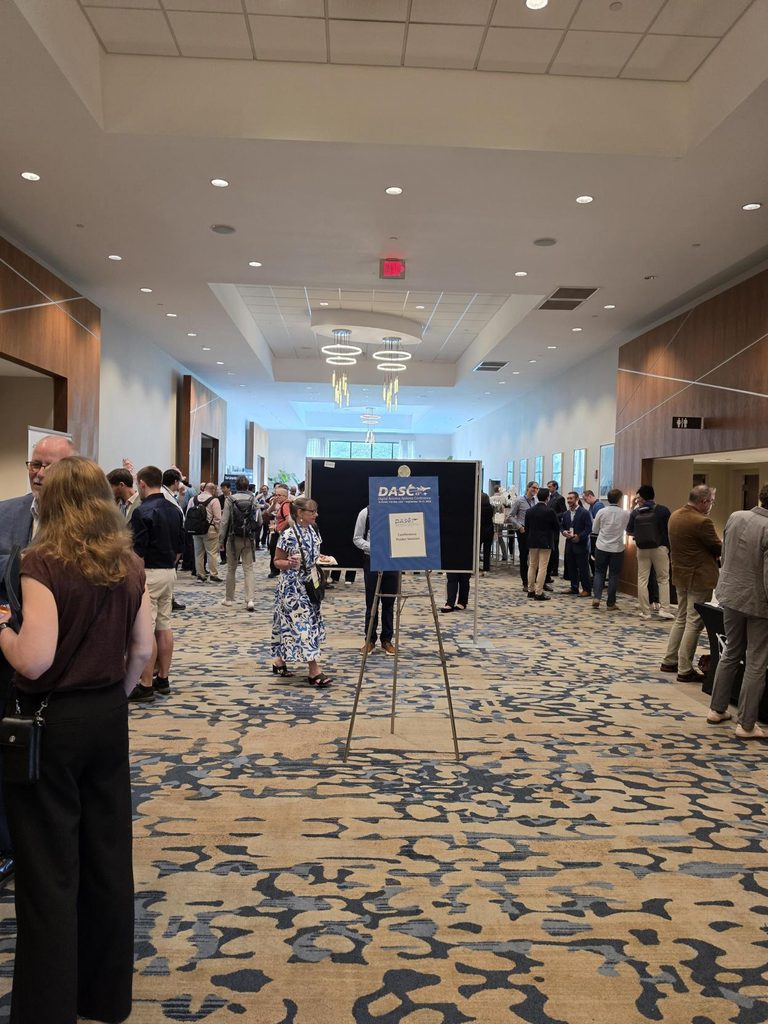
From September 15–17, 2026, SQLab participated in DASC 2026, presenting research on an eye-tracking-driven adaptive interface for tactical displays. The system dynamically filters visual information based on pilot gaze behaviour, reducing display clutter and supporting faster threat detection, more efficient visual search, and improved situational awareness.
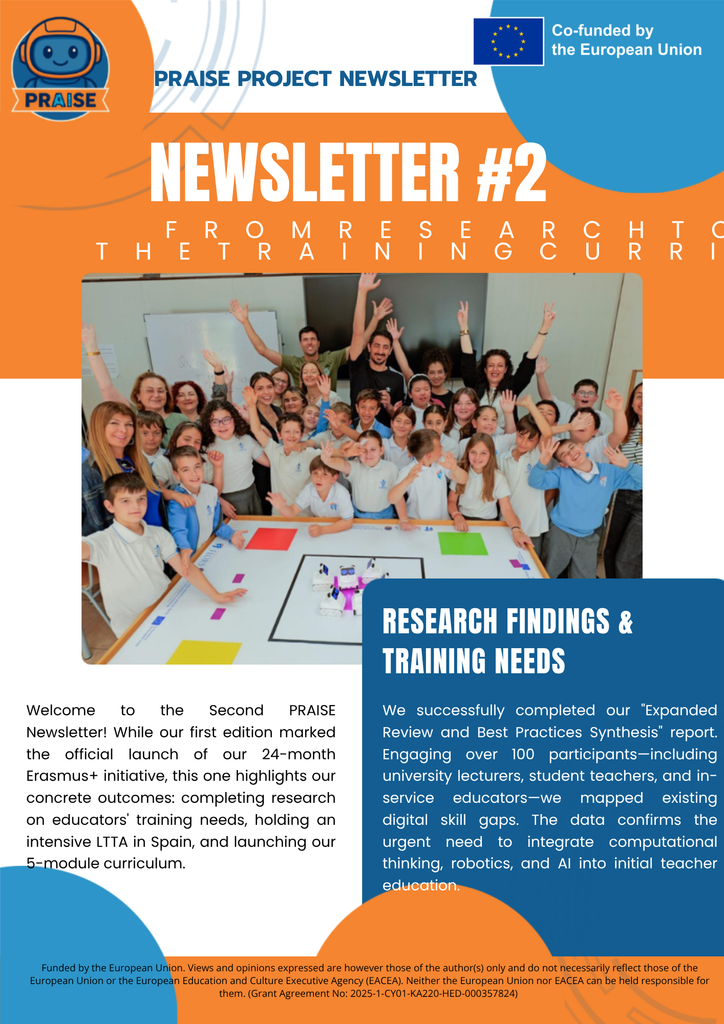
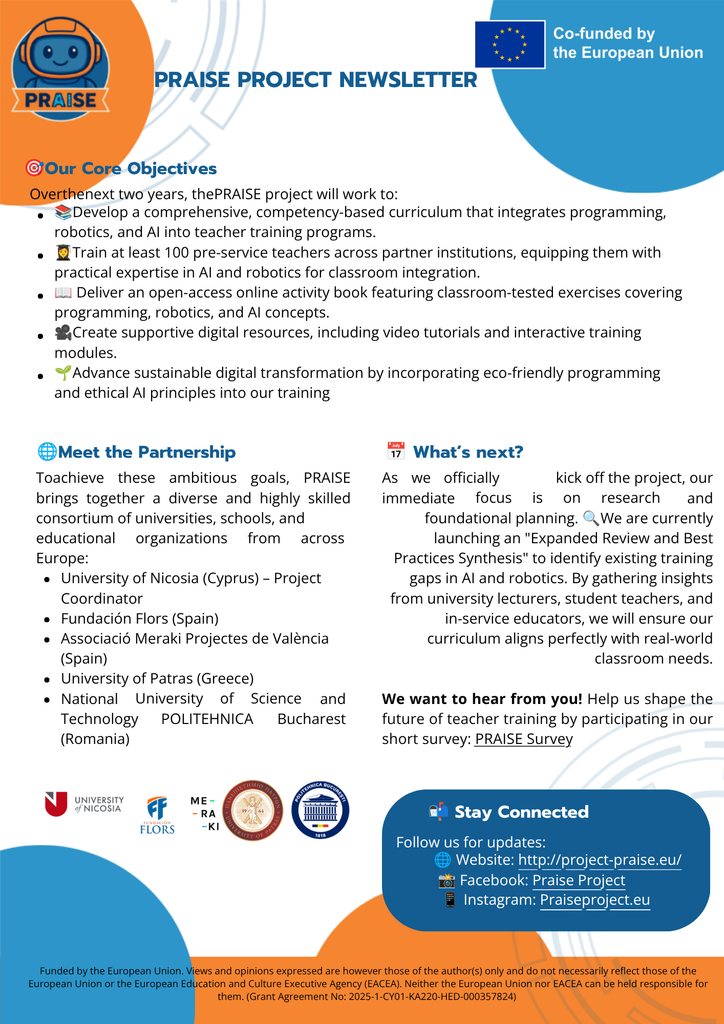
The second PRAISE Project Newsletter is now available, presenting the latest activities, achievements and upcoming milestones of the project.
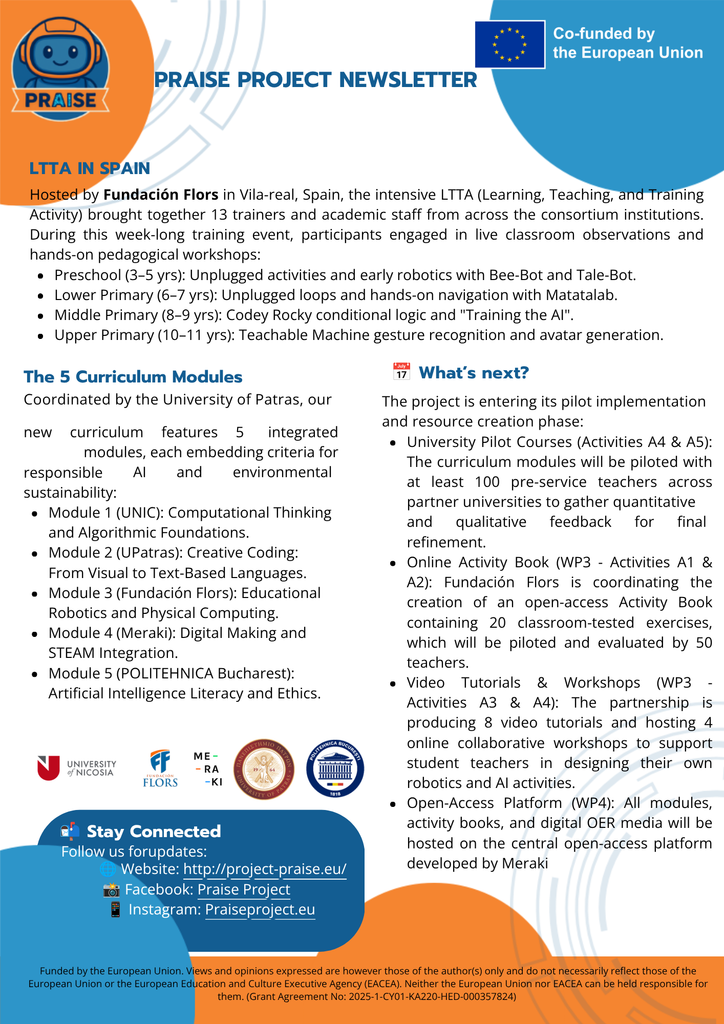
A key highlight of this edition is the Learning, Teaching and Training Activity (LTTA) held in Vila-real, Spain, and hosted by Fundación Flors. The week-long training brought together 13 trainers and academic staff from across the consortium. Participants engaged in classroom observations and hands-on pedagogical workshops covering a range of topics, including unplugged activities, educational robotics, computational thinking, conditional logic, machine learning, gesture recognition and avatar generation.
The newsletter also presents the five integrated PRAISE curriculum modules, coordinated by the University of Patras:
Computational Thinking and Algorithmic Foundations – UNIC
Creative Coding: From Visual to Text-Based Languages – University of Patras
Educational Robotics and Physical Computing – Fundación Flors
Digital Making and STEAM Integration – Meraki
Artificial Intelligence Literacy and Ethics – POLITEHNICA Bucharest
Each module integrates principles of responsible AI and environmental sustainability, contributing to the development of innovative and future-oriented educational resources.
What comes next?
The PRAISE project is now entering its pilot implementation and resource creation phase. Upcoming activities include:
🎓 University pilot courses with at least 100 pre-service teachers
📖 Development of an open-access Activity Book featuring 20 classroom-tested exercises
🎥 Creation of 8 video tutorials and delivery of 4 collaborative online workshops
🌐 Development of an open-access platform hosting the project’s educational resources
The new newsletter provides a closer look at these activities and the progress being made across the PRAISE consortium.
Read the 2nd PRAISE Newsletter and follow our journey toward innovative, responsible and sustainable AI education.
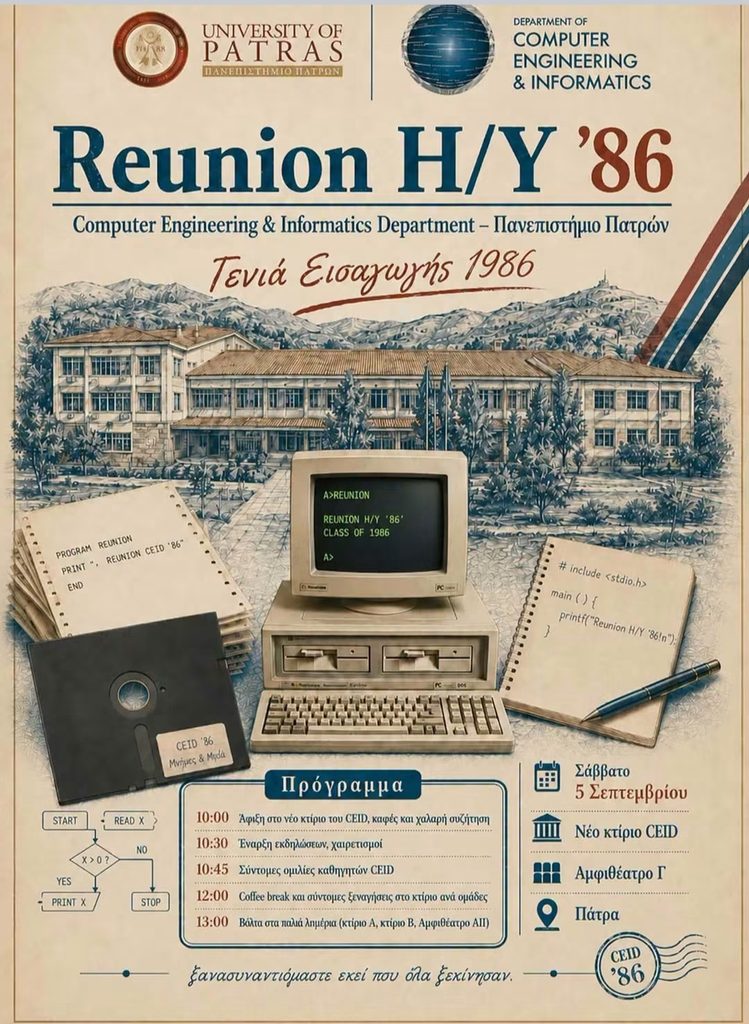
Το Σάββατο 5 Σεπτεμβρίου 2026 πραγματοποιήθηκε η συνάντηση των αποφοίτων της γενιάς εισαγωγής του 1986 του Τμήματος Μηχανικών Ηλεκτρονικών Υπολογιστών και Πληροφορικής του Πανεπιστημίου Πατρών.
Με αφορμή τη συμπλήρωση 40 ετών από την έναρξη των σπουδών τους, οι απόφοιτοι συναντήθηκαν ξανά και επισκέφθηκαν το Τμήμα, έχοντας την ευκαιρία να ανατρέξουν σε κοινές αναμνήσεις και να ξανασυναντήσουν καθηγητές που αποτέλεσαν μέρος της ακαδημαϊκής τους πορείας.
Η ημέρα ξεκίνησε στο νέο κτίριο του Τμήματος με καφέ και ομιλίες από καθηγητές που δίδαξαν τη συγκεκριμένη γενιά πριν από τέσσερις δεκαετίες. Η συνάντηση αποτέλεσε μια ευκαιρία για συζήτηση, αναδρομή στα φοιτητικά χρόνια και ανταλλαγή αναμνήσεων.
Το πρόγραμμα συνεχίστηκε εκτός Τμήματος, όπου οι απόφοιτοι είχαν την ευκαιρία να απολαύσουν φαγητό και ποτό και να ολοκληρώσουν τη βραδιά με μουσική και χορό.
Η συνάντηση αποτέλεσε μια όμορφη επιστροφή στις απαρχές μιας κοινής ακαδημαϊκής διαδρομής και μια υπενθύμιση της διαχρονικής σχέσης που συνδέει τους αποφοίτους με το Τμήμα Μηχανικών Ηλεκτρονικών Υπολογιστών και Πληροφορικής του Πανεπιστημίου Πατρών.
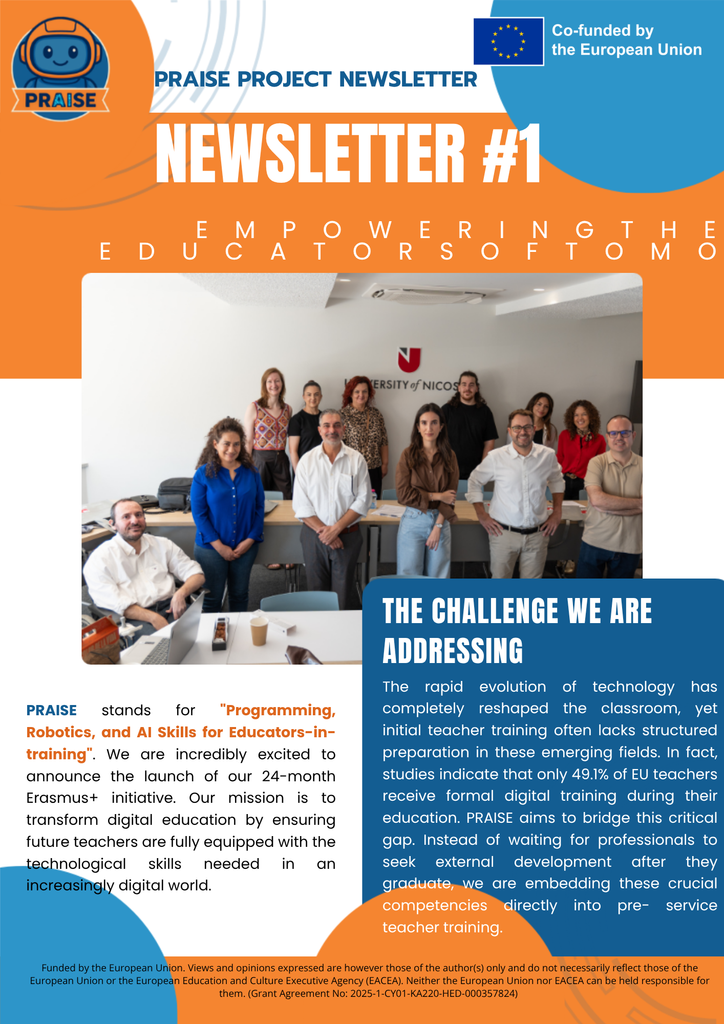
Welcome to the very first edition of the PRAISE Newsletter.
Our mission is to support, inspire, and equip individuals shaping the future of education. Together, we are building a stronger foundation for the teachers of tomorrow.
The P.A.C.E. project officially kicked off on February 5 & 6 in Paris, France, bringing together project partners from across Europe for the first transnational meeting of the consortium. The event marked the beginning of a promising collaboration focused on achieving the project’s shared goals and establishing a strong foundation for the work ahead.
During the two-day meeting, partners introduced their organizations, shared their expertise, and discussed their roles within the project. The University of Patras (UPatras) was represented by members of our lab, who presented the university and highlighted its research experience, ongoing initiatives, and expected contributions to the P.A.C.E. project.
The meeting provided an excellent opportunity for partners to review the project’s objectives, explore the structure of the work packages, and plan the upcoming activities. Through productive discussions and collaborative sessions, the consortium clarified responsibilities, timelines, and coordination mechanisms that will guide the implementation of the project.
Beyond the formal agenda, the kickoff meeting also strengthened the partnership among the participating organizations. The atmosphere was highly collaborative, with all partners expressing great enthusiasm about the launch of the P.A.C.E. project and the opportunities it offers for innovation and impact.
With the project now underway, the consortium looks forward to the next phases of collaboration, the development of new tools and resources, and the meaningful results that will emerge from this international partnership.
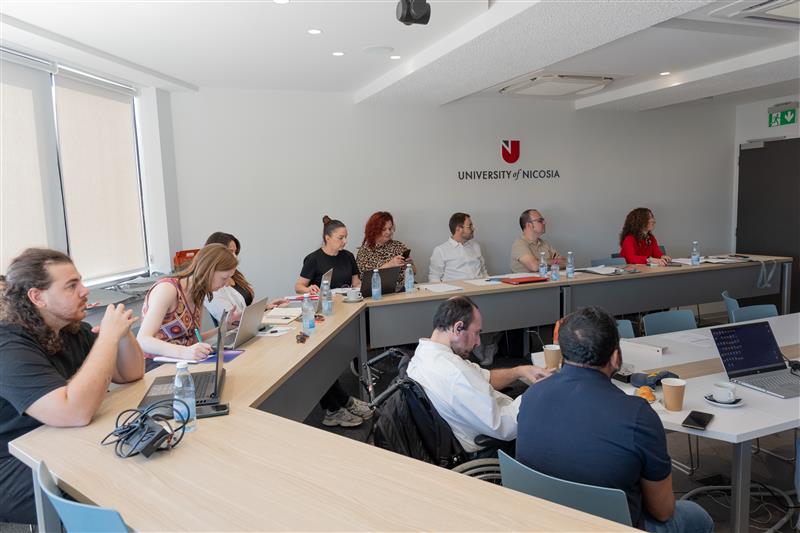
The PRAISE project officially kicked off on October 27th in Nicosia, Cyprus, bringing together project partners from across Europe to begin an exciting collaborative journey. The meeting marked the start of a shared effort to advance the project’s goals, establish strong cooperation among partners, and set the foundation for the work ahead.
During the kickoff meeting, representatives from all partner organizations had the opportunity to present their institutions, expertise, and planned contributions to the project. The University of Patras (UPatras) was represented by members of our lab, who delivered a presentation introducing the university, its research activities, and its role within the PRAISE project.
The meeting also served as an important platform for discussing the project’s work packages, timelines, and collaboration strategies. Through productive discussions and interactive sessions, partners aligned on the next steps and clarified the responsibilities that will guide the project’s implementation.
All partners expressed great enthusiasm about launching PRAISE and working together over the coming months and years. The kickoff meeting fostered a strong sense of collaboration and shared vision, with everyone excited about the opportunities and impact that the project aims to achieve.
With the project now officially underway, the PRAISE consortium looks forward to the upcoming activities, joint research efforts, and innovative outcomes that will emerge from this international partnership.
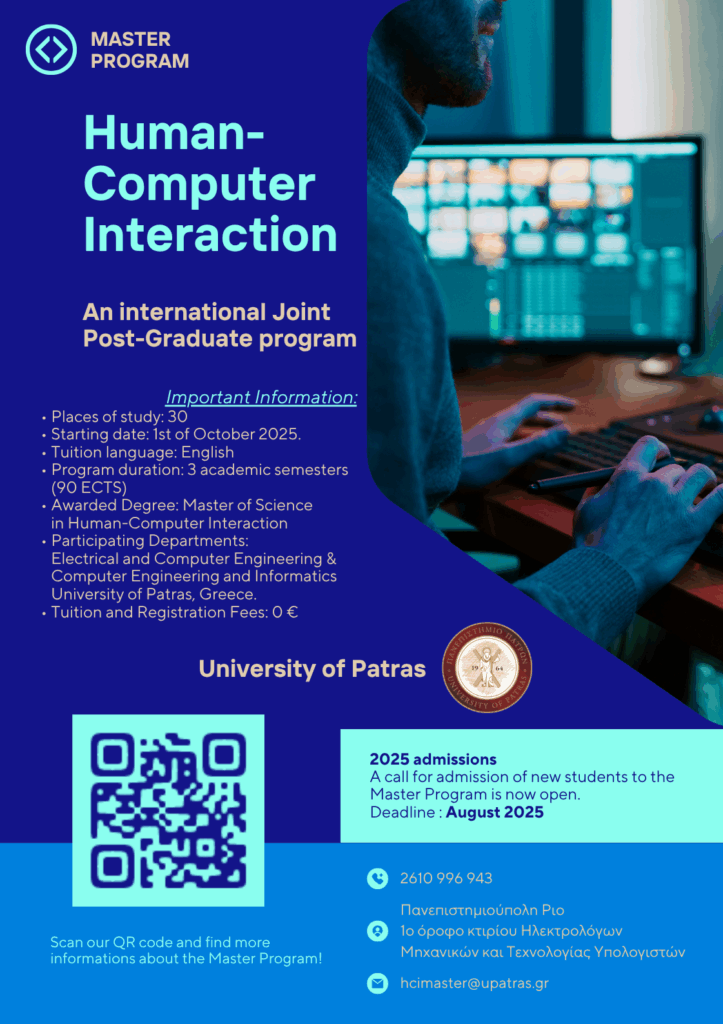
Are you passionate about the intersection of technology and human behavior? 🚀 Take your career to the next level with our MSc in Human-Computer Interaction (HCI) – an innovative postgraduate program offered by the University of Patras. ✅ Learn to design intuitive, user-centered digital experiences ✅ Explore UX/UI design, cognitive psychology, usability testing, AR/VR, and more ✅ Ideal for graduates in computer science, design, psychology, or related fields 🌍 Open to international students | 🗓️ Applications now open! 👉 Visit https://hcimaster.upatras.gr to learn more and apply.
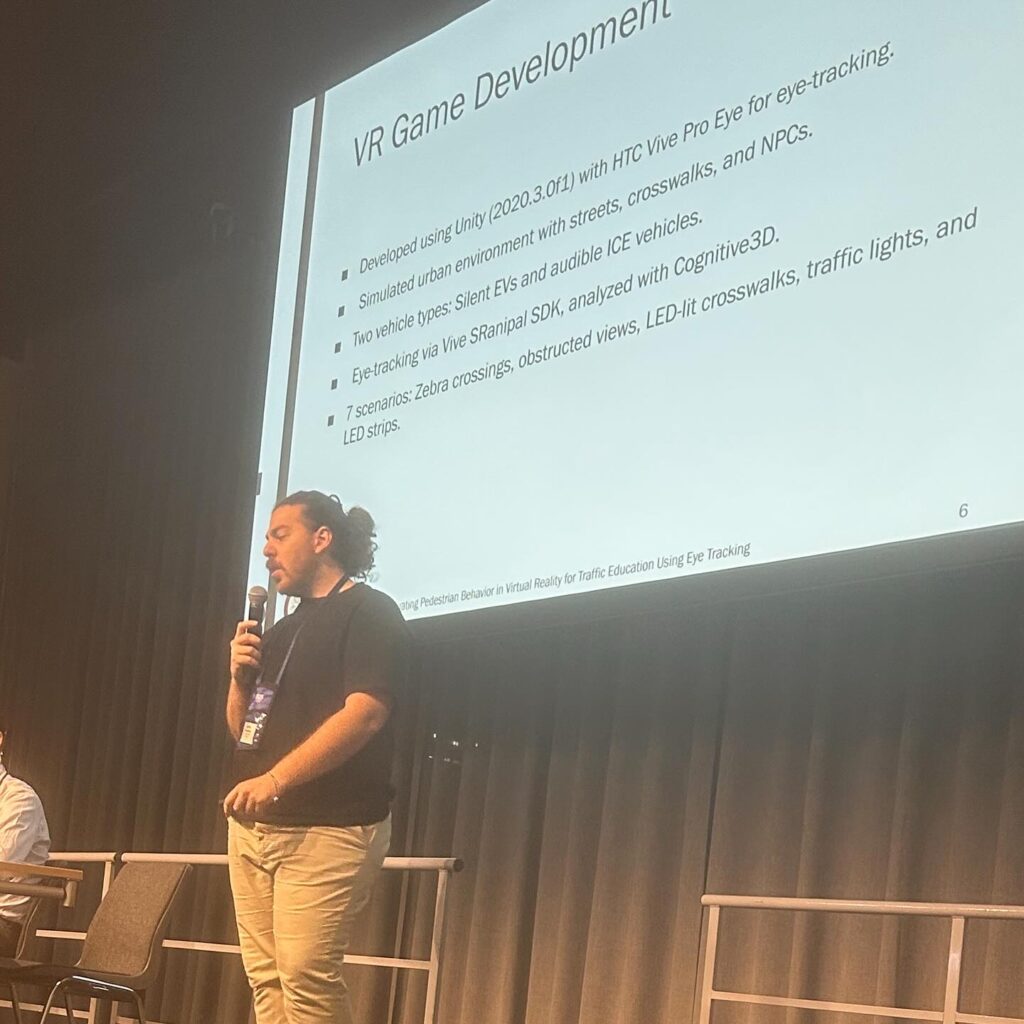
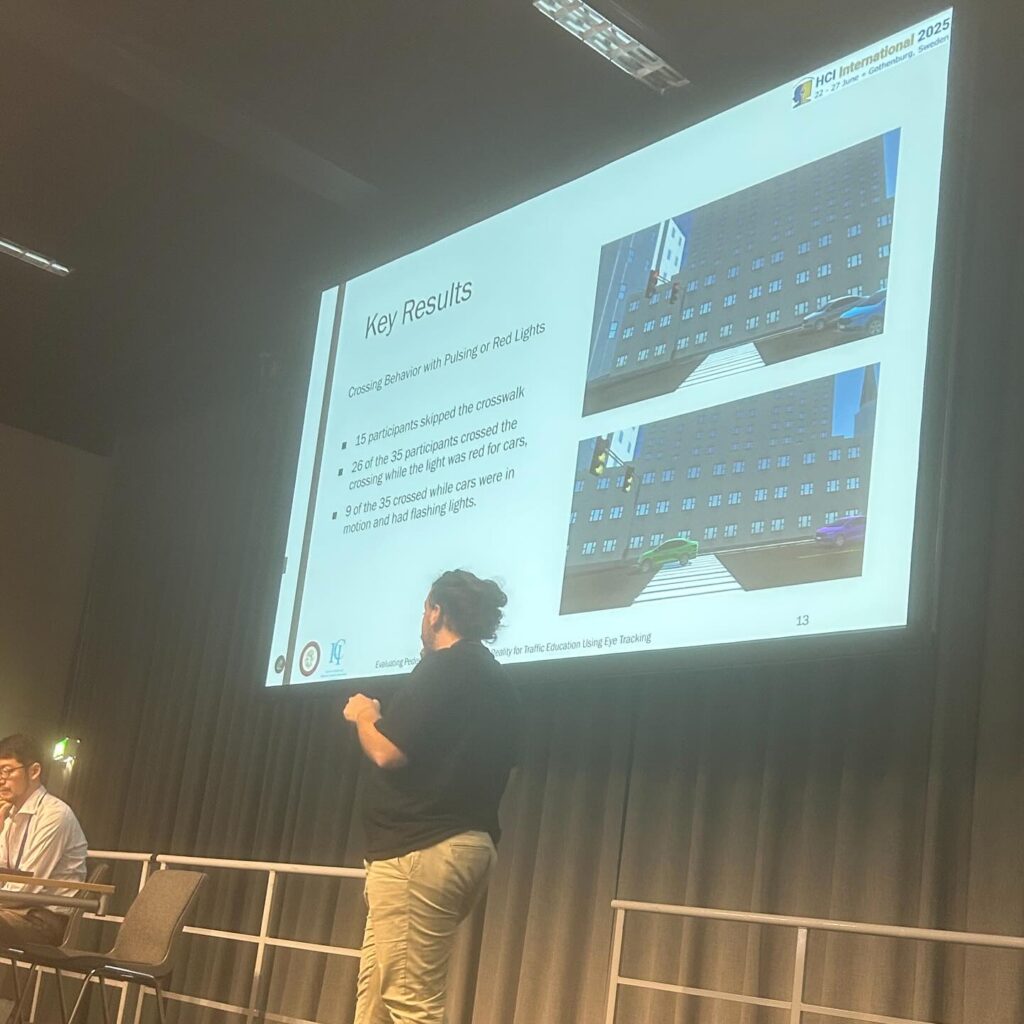
🚶♀️🧠 Thrilled to share our research at HCII 2025 in beautiful Gothenburg, Sweden! 🇸🇪
Our paper, “Evaluating Pedestrian Behavior in Virtual Reality for Traffic Education Using Eye Tracking”, dives into how immersive tech and eye tracking can enhance traffic safety education for pedestrians.
Grateful to be part of a global conversation on innovation in HCI and education! 🌐🎓💡
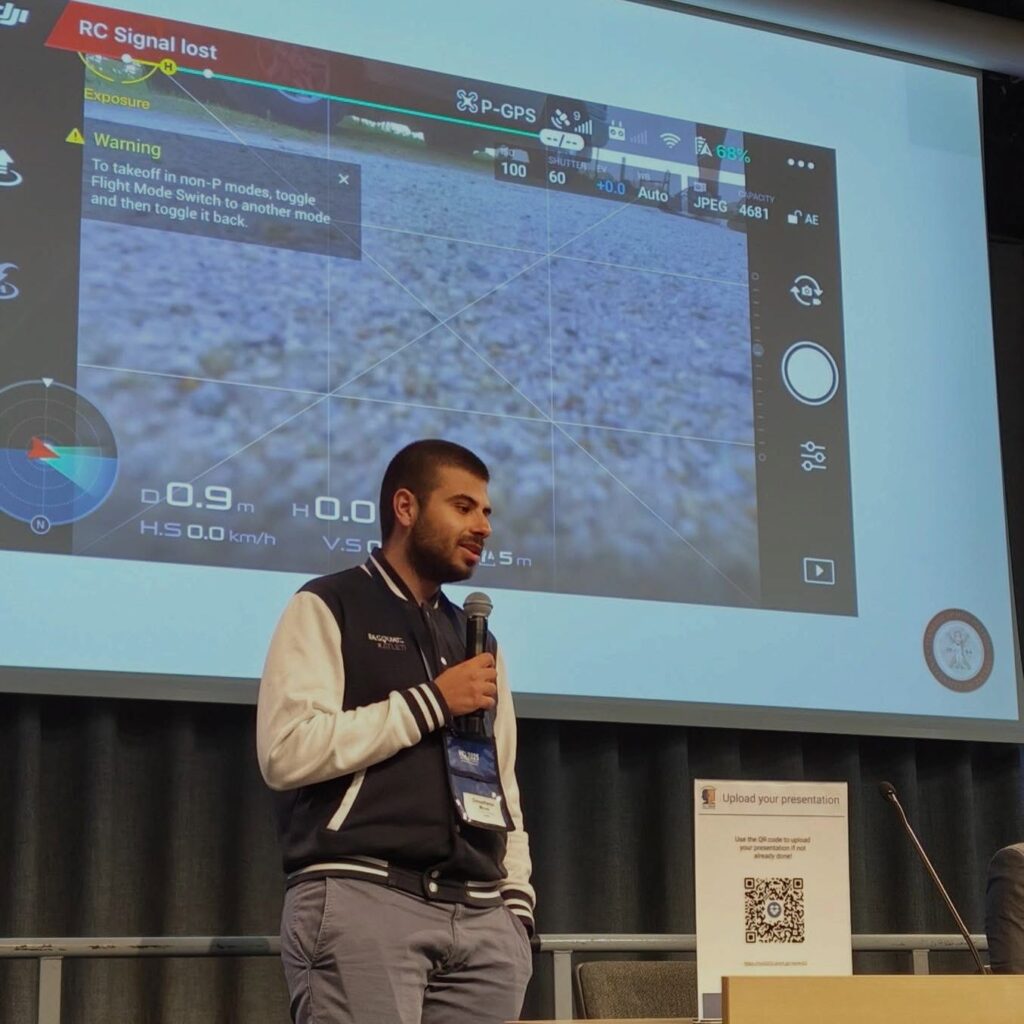
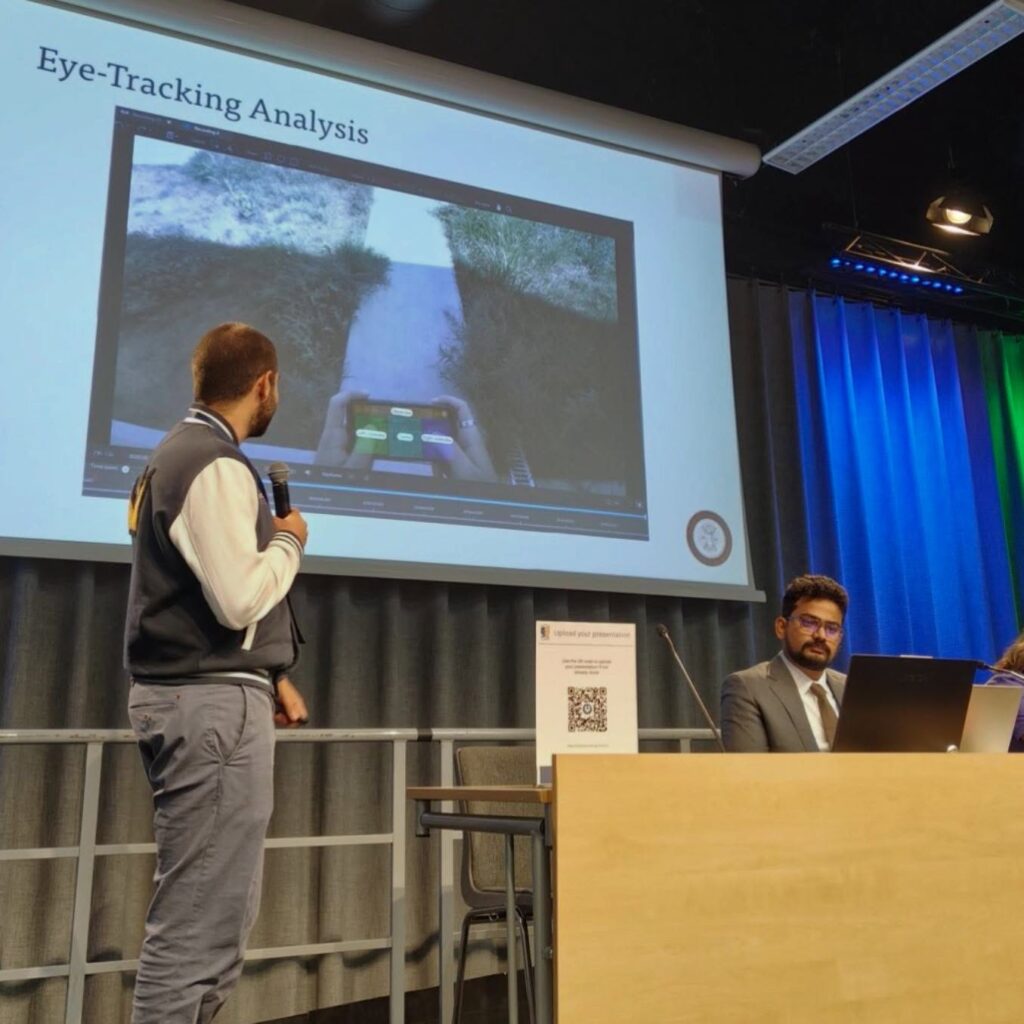
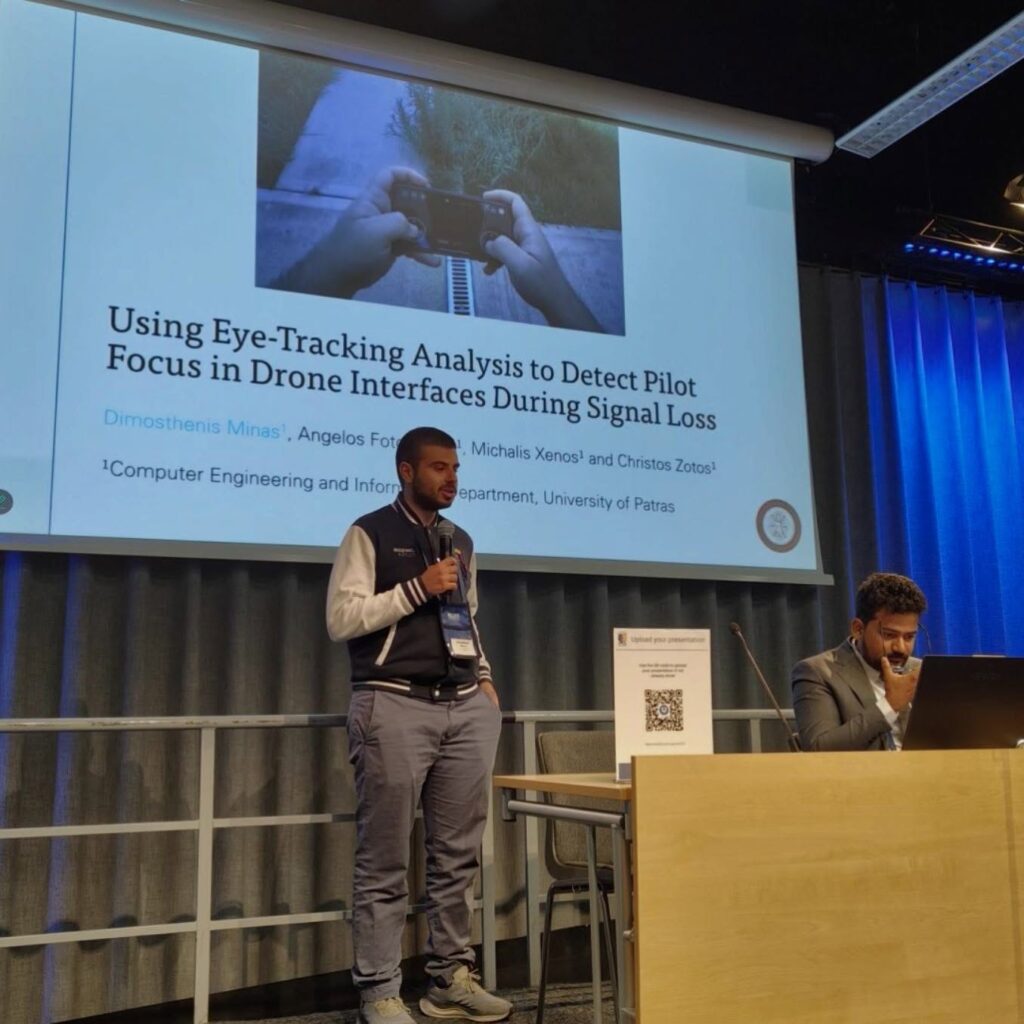
🚁 Proud to present our latest research at the Human-Computer Interaction International (HCII) 2025 in Gothenburg, Sweden! 🌍
Our paper, “Using Eye Tracking Analysis to Detect Pilot Focus in Drone Interfaces During Signal Loss”, explores how human attention shifts under critical conditions—paving the way for smarter, safer drone systems.
A big thank you to everyone who supported this work—excited for the discussions and collaborations ahead! 🔬👁️💡